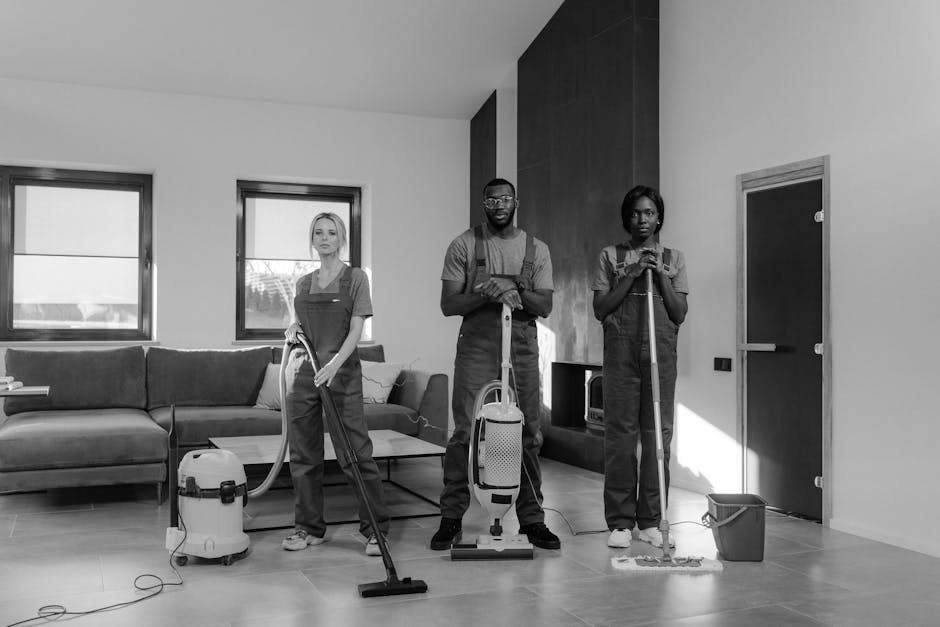
Queens Park house cleaning prices explained
If you have been comparing cleaners and wondering why one quote looks neat and simple while another feels a bit all over the place, you are not alone. Queens Park house cleaning prices explained properly can save you time, money, and a fair bit of guesswork. In real life, the cost of a home clean depends on more than just the number of rooms. The size of the property, the condition of the space, how often you want visits, and any extra tasks all matter.
This guide breaks everything down in plain English. You will see what typically changes the price, how quotes are built, which services suit different homes, and where people often overspend without getting better results. If you want a more detailed look at how estimates are put together, the pricing and quotes page is a useful place to start alongside this article.
Expert summary: the cheapest quote is not always the best value, and the most expensive one is not automatically better. The real question is whether the service matches your home, your schedule, and the level of clean you actually need. That sounds obvious, but honestly, lots of people only find that out after the first visit. Bit late then.
Table of Contents
- Why Queens Park house cleaning prices explained Matters
- How Queens Park house cleaning prices explained Works
- Key Benefits and Practical Advantages
- Who This Is For and When It Makes Sense
- Step-by-Step Guidance
- Expert Tips for Better Results
- Common Mistakes to Avoid
- Tools, Resources and Recommendations
- Law, Compliance, Standards, or Best Practice
- Options, Methods, or Comparison Table
- Case Study or Real-World Example
- Practical Checklist
- Conclusion
- Frequently Asked Questions
Why Queens Park house cleaning prices explained Matters
Cleaning prices can be confusing because the service is often sold as a time-based visit rather than a fixed item. A small flat that looks tidy may still need careful bathroom attention, limescale removal, dusting in tricky corners, and kitchen degreasing. A larger home may look calm on the surface but take longer because there is simply more floor space, more surfaces, and more interruptions to work around.
In Queens Park, many households want a cleaner for regular upkeep, while others need one-off help after a busy period, a move, or a deep spring refresh. Those jobs are priced differently for a reason. Regular cleaning is usually lighter, quicker, and more predictable. A one-off cleaning visit, by contrast, may involve heavier dirt, more detail work, and longer time on site.
When pricing is explained clearly, it becomes much easier to compare like for like. You can see whether a quote includes bathroom sanitising, kitchen surface cleaning, vacuuming, dusting, and mop-downs, or whether it only covers a basic tidy. That matters because a vague quote may look cheaper right up until extras are added. Let's face it, nobody enjoys surprises at the end.
Clear pricing also helps you plan around moving dates, tenancy deadlines, family routines, or work-from-home schedules. If you are trying to keep a home presentable without spending your whole weekend cleaning, understanding the structure behind the cost makes the decision much calmer.
How Queens Park house cleaning prices explained Works
Most house cleaning quotes are built from a few core factors. The first is the size of the property. A studio or one-bedroom flat generally takes less time than a three-bedroom house, although layout can change that quite a bit. Long hallways, multiple bathrooms, cluttered rooms, and lots of glass can all add time.
The second factor is the cleaning type. A regular visit is usually cheaper per session than a deep cleaning appointment because deep cleans go further. They often include skirting boards, inside cupboards, behind reachable appliances, and more detailed bathroom and kitchen work. That extra effort is not fluff; it is time, labour, and cleaning product use.
The third factor is condition. A home that is maintained every week is naturally easier to clean than one that has been left for several months. Grease, dust build-up, pet hair, and soap residue can all slow things down. If you have children, pets, or a busy household, the job may need a slightly more flexible estimate.
Other common price drivers include:
- how many bathrooms and toilets need attention
- whether bedrooms need bed-making or change of linens
- if kitchen appliances need extra care
- whether you want interior windows cleaned
- access issues such as parking, stairs, or heavy entry restrictions
- the frequency of visits, since regular bookings are often more efficient
If you want a better idea of the business behind the service, the about us page gives a sense of how the company presents itself and the standards it aims to maintain.
One practical thing many people overlook: cleaners price the time needed to do the job properly, not just the number of items in the home. Two houses can both have three bedrooms and still take very different amounts of time. One has a minimalist setup and the other has toys, piles of laundry, narrow walkways, and a kitchen that seems to have opinions. Same room count, very different job.
Key Benefits and Practical Advantages
When you understand house cleaning pricing, you can choose a plan that actually suits the way you live. That is the real benefit here. Not just saving a few pounds, though that is welcome too, but avoiding poor fit and overbuying.
- Better budgeting: you can plan monthly costs instead of guessing.
- Cleaner comparisons: you can compare services on scope, not just headline price.
- Fewer disputes: clear expectations reduce awkward conversations later.
- More suitable service choice: regular, one-off, deep, move-in, or move-out cleaning each has a different purpose.
- Better results: matching the task to the right service usually gives a more satisfying outcome.
There is also a trust benefit. If a provider explains what is included, how long the visit is expected to take, and what might cost more, that is usually a good sign. Transparent pricing tends to go hand in hand with better communication. Not always, but often enough that it is worth paying attention.
Some homeowners also find that a clear cleaning routine helps them keep the rest of the house under control. A weekly or fortnightly visit can stop dirt from building up in the first place, which usually means less time spent on catch-up cleans. It is not glamorous, but it works.
Who This Is For and When It Makes Sense
This topic is useful for anyone who wants domestic cleaning in Queens Park without wasting time on vague quotes. In particular, it helps:
- busy professionals who need a dependable routine
- families trying to keep on top of day-to-day mess
- tenants preparing for a tenancy change
- landlords getting a property ready for new occupants
- homeowners who want a proper reset after illness, travel, or renovation dust
- anyone comparing regular cleaning against a more intensive visit
It also makes sense if you are choosing between domestic cleaning and a specialist service such as end of tenancy cleaning. Those jobs are not interchangeable. End of tenancy work is typically more exacting because the goal is to leave the property in a condition suitable for check-out or handover, whereas domestic cleaning is about keeping a home pleasant and manageable over time.
If your home has recently had work done, the pricing picture changes again. After dust, paint splashes, and fine debris are involved, a after builders cleaning service may be the more realistic choice. This is the sort of detail that saves money in the long run because you are not paying a regular cleaner to do specialist post-renovation work they were not booked for.
And yes, there are times when a cleaning visit simply needs to be regular rather than heroic. If you are already keeping on top of things, a routine visit every week or two can be enough. If not, no shame there. Homes have seasons, and some seasons are just messier.
Step-by-Step Guidance
If you want to get the right price rather than just any price, a structured approach helps. Here is the simplest way to do it.
- Identify the service type. Decide whether you need regular maintenance, a one-off visit, a deep clean, move-in support, or a move-out clean.
- List the rooms and tasks. Count bathrooms, bedrooms, kitchen areas, and any extras such as ovens, interior windows, or upholstery.
- Assess the condition honestly. Be fair to yourself here. If the space has not been cleaned properly for a while, say so.
- Check access and timing. Parking, entry codes, narrow stairs, and short notice bookings can affect the quote.
- Ask what is included. Do not assume. Ask whether products, equipment, and travel are covered.
- Compare value, not just price. A slightly higher quote may include more detail, longer time on site, or better follow-up.
- Confirm the booking terms. Know the cancellation rules, payment method, and any special conditions before you commit.
If you are booking more than one service, check whether the provider can bundle them sensibly. For instance, a cleaner may be able to handle house cleaning alongside window cleaning or oven cleaning, but only if that fits the appointment length and equipment plan. Combined bookings can be efficient, though not every home needs one.
A practical tip: take a few quick photos before you request a quote. Not for drama, just for clarity. A shot of the kitchen, bathroom, and main living space gives a much better picture than a written description alone. Cleaners can estimate more accurately, and you are less likely to be disappointed on the day.
Expert Tips for Better Results
There are a few habits that make cleaning quotes more accurate and the actual clean more effective. These come up all the time in real households, and they are surprisingly simple.
- Be specific about your priorities. If the bathroom and kitchen matter most, say so.
- Declutter before the visit if you can. Clear surfaces help cleaners move faster and clean better.
- Separate "clean" from "organised." A cleaner is there to clean, not to sort three weeks of post and random cables.
- Ask about add-ons early. Upholstery, carpets, and mattresses often need separate pricing.
- Choose frequency carefully. A regular slot may be more cost-effective than repeated emergency cleans.
In many homes, the biggest improvement is not from adding more products. It is from having a realistic scope. If the windows are fine but the sofa has a visible stain, it makes sense to ask about upholstery cleaning or sofa cleaning rather than treating the whole home as one blanket problem.
Another useful point: some tasks are more specialised than they look. Carpet fibres, for example, can hold grit and odour even when the surface appears clean. In those cases, a dedicated carpet cleaning or steam carpet cleaning service may be more sensible than adding extra time to a standard house clean.
A tiny human aside: the number of times people say, "It's just a quick clean," and then uncover an entire second kitchen under the toaster... well, let's just say cleaners have heard that one before.
Common Mistakes to Avoid
Most price problems come from misunderstandings rather than bad intent. Still, they are annoying, so it is worth avoiding the usual traps.
- Choosing on price alone. Cheap can mean rushed, incomplete, or poorly scoped.
- Not declaring the real condition. If the property needs extra work, say it upfront.
- Mixing up service types. Regular cleaning is not the same as a move-out clean or a deep clean.
- Forgetting add-ons. Things like ovens, carpets, and inside windows can change the total.
- Assuming everything is included. Read the scope carefully and ask questions.
- Leaving booking too late. Short-notice requests can be harder to accommodate and may cost more.
Another mistake is failing to think about future needs. If your household is changing, maybe due to a new baby, a job shift, or more time spent at home, a single quote today may not suit you six months from now. It is worth picking a service that can flex with your routine. Quietly useful, that.
Tools, Resources and Recommendations
You do not need special tools to understand house cleaning prices, but a few simple things make the process smoother.
- A room list: write down bedrooms, bathrooms, reception areas, and utility spaces.
- A short task list: note whether you need dusting, vacuuming, mopping, kitchen detailing, or bathroom focus.
- Phone photos: useful for giving a cleaner a fair visual reference.
- Booking notes: keep access instructions, parking details, and preferred timing in one place.
For service choice, think in terms of purpose. Regular cleaning suits ongoing upkeep. House cleaning is the broad, everyday option many households want. If the property needs a heavier reset, deep cleaning may be the better match. If you are moving, look at move-in cleaning or move-out cleaning depending on which side of the move you are on.
For homes with specific surfaces or problem areas, specialist pages can also help you understand the likely scope. Think mattress cleaning, rug cleaning, pet stain odour removal, or stain removal. Different materials need different handling, which is why one-size pricing rarely tells the whole story.
If you are weighing up a provider, it can also be worth checking practical trust pages such as insurance and safety and the company's health and safety policy. Those pages do not tell you everything, but they do signal how seriously the company treats risk and care in the home.
Law, Compliance, Standards, or Best Practice
House cleaning is not heavily regulated in the way some other services are, but that does not mean standards do not matter. In the UK, a professional domestic cleaning service should work safely, respect your property, and be clear about what is included in the service. Good practice also means transparent pricing, fair handling of complaints, and careful attention to privacy and security when staff enter a home.
If you are booking a cleaner in a shared property, managed block, or rental setting, it is sensible to understand access arrangements and building rules before the visit. In some cases, communal spaces or entry procedures can affect timing. That is especially relevant for communal area cleaning in larger buildings.
For specialist work, best practice is usually about using the right method for the job. For instance, hard floor cleaning should protect the finish of the floor rather than just making it look shiny for a day. Similarly, window cleaning should be done with the right tools so frames, glass, and surrounding areas are treated properly.
If the job is commercial rather than domestic, the standards shift again. A provider offering commercial cleaning or office cleaning will normally need to think about access, health and safety, confidentiality, and the operational needs of the business. That is a different rhythm from a home clean, and the pricing logic reflects it.
One more practical thing: if payment, refunds, or booking terms matter to you, review the provider's payment and security page and the terms and conditions. It is not the glamorous part of booking a clean, no, but it helps avoid confusion later.
Options, Methods, or Comparison Table
Here is a simple way to compare common cleaning options without getting lost in jargon.
| Service type | Best for | Typical pricing logic | Why people choose it |
|---|---|---|---|
| Regular cleaning | Ongoing upkeep | Usually based on visit length and frequency | Keeps the home manageable week to week |
| One-off cleaning | A reset or catch-up clean | Often higher than routine cleaning because the work is heavier | Useful after a busy period or before guests |
| Deep cleaning | Detailed top-to-bottom work | More time-intensive, often with a broader scope | Good when dirt has built up or you want a thorough refresh |
| End of tenancy cleaning | Move-out handover | Priced for a more exacting, comprehensive job | Helps with property handover expectations |
| Move-in cleaning | Fresh start before unpacking | Depends on property condition and access | Makes the new home feel ready from day one |
There is no single "right" option for everyone. A young professional in a compact flat may only need a regular visit and an occasional oven cleaning. A family in a larger property might benefit more from a monthly deep clean and shorter weekly maintenance. Different homes, different maths.
If you are booking after decorating, consider the likely dust level before you choose. Fresh plaster dust is a different beast from everyday dust. In that case, specialist support can save time and reduce frustration.
Case Study or Real-World Example
Picture a two-bedroom flat near Queens Park with one bathroom, a compact kitchen, and a small living room. The owner keeps up with bins and counters, but over the last six weeks the place has fallen behind. There is dust on skirting edges, a bit of soap build-up in the bathroom, and the kitchen needs more than a wipe-down.
If the owner asks for a regular clean quote without mentioning the build-up, the quote might look pleasantly low. But if the cleaner arrives and finds that the job is closer to a one-off refresh, the appointment may need more time than planned. That can create awkwardness. Nobody wants that.
A better approach would be to explain the true condition, note any priority areas, and ask whether a one-off cleaning visit is more suitable. If the property then moves onto a regular schedule, future visits should be quicker and more cost-efficient. That is the point many people miss: cleaning costs can fall when maintenance is consistent.
Another very common example is a move-out. A tenant thinks the flat is "pretty clean," but the agency or landlord expects a more detailed handover. Suddenly the oven, the bathroom grout, the inside of cupboards, and the fridge all matter. Booking the wrong service is where people feel they have overpaid, even when the cleaner has simply done exactly what was asked. Truth be told, the mismatch is usually the issue, not the workmanship.
Practical Checklist
Use this before you request a quote or confirm a booking.
- List the number of bedrooms, bathrooms, and main living areas.
- Decide whether you need regular, one-off, deep, move-in, or move-out cleaning.
- Note any extras such as ovens, carpets, upholstery, or interior windows.
- Be honest about current condition and any heavy build-up.
- Check access details: parking, keys, stairs, alarms, or entry codes.
- Ask what products and equipment are included.
- Confirm whether travel time or minimum hours affect the price.
- Review booking terms, cancellations, and payment expectations.
- Choose a service that matches the result you want, not just the number on the page.
- Keep your priority list short and clear for the cleaner.
If you want an extra layer of reassurance before booking, the company's privacy policy, recycling and sustainability information, and complaints procedure can help you understand how the business handles data, environmental care, and service concerns.
Small detail, but a useful one: leave a clear path to the areas that matter most. A cleaner working around shoes, bags, and half-open laundry baskets can still do a good job, of course, but the visit tends to go smoother when the room is ready for work.
Conclusion
Queens Park house cleaning prices explained well is really about transparency, fit, and realistic expectations. Once you understand what affects the cost, you can compare quotes with much more confidence and choose the right level of service for your home. Regular cleaning, one-off cleaning, deep cleaning, and move-related services all serve different purposes, so the best value usually comes from matching the job to the right category.
That is the sweet spot: not the flashiest quote, not the cheapest line on the page, but the one that honestly suits your home and gives you back a bit of breathing room. And honestly, that breathing room matters.
Get a free quote today and see how much you can save.
Frequently Asked Questions
How are Queens Park house cleaning prices usually calculated?
They are usually based on the size of the property, the condition of the home, the type of clean, and any extra tasks requested. Frequency also matters, because regular cleaning is often easier to schedule and complete efficiently.
Is regular cleaning cheaper than one-off cleaning?
Usually, yes. Regular cleaning tends to be lighter because the home is maintained more often. One-off cleaning often takes longer and may involve more detailed work, so it normally costs more per visit.
Why does a deep clean cost more?
A deep clean goes further than standard upkeep. It often includes detailed attention to harder-to-reach or more neglected areas, so it takes more time and labour. That extra depth is what you are paying for.
Do I need to pay more for carpets or upholstery?
Often, yes. Carpets, rugs, sofas, and mattresses are usually priced separately because they need different equipment and methods. Services like carpet cleaning and upholstery cleaning are typically handled as specialist add-ons.
What should I tell the cleaner before getting a quote?
Be honest about room count, condition, pets, clutter, access issues, and any extras you want included. A clear description leads to a much better estimate and fewer awkward surprises later.
Are move-out cleaning prices different from domestic cleaning prices?
Yes, they usually are. Move-out cleaning is often more detailed because the property needs to be left ready for handover. That is why end of tenancy cleaning is generally priced differently from routine domestic work.
Can I save money by booking cleaning more often?
In many homes, yes. Smaller, regular visits can prevent dirt from building up, which keeps future cleans quicker and more manageable. It is not always cheaper overall, but it often gives better value.
Do access issues affect the price?
They can. Parking difficulties, lots of stairs, restricted entry times, or difficult access can add time and make a booking more complex. It is better to mention these things upfront.
What is the difference between house cleaning and deep cleaning?
House cleaning usually refers to general domestic upkeep. Deep cleaning is more detailed and typically focuses on areas that are missed in everyday routines. If your home needs a proper reset, deep cleaning may be the better fit.
Should I choose the cheapest quote?
Not automatically. The cheapest quote may leave out important tasks or understate the time needed. A fair quote that clearly matches your needs is usually better value than a low one that causes problems later.
Are there any hidden charges I should watch for?
The most common extras are add-on services, short-notice fees, heavy-soiling adjustments, and specific tasks such as ovens or windows. Always check what is included before confirming the booking.
What if my home is only lightly dirty?
Then a regular clean may be enough, even if you had assumed you needed something bigger. It is worth describing the condition accurately rather than overselling the problem. Sometimes the simplest option really is the right one.
How do I know if a provider is trustworthy?
Look for clear pricing, straightforward service descriptions, safety information, and accessible policies. Pages such as insurance and safety and health and safety policy help show how a company thinks about care and responsibility.
Can I combine cleaning services in one visit?
Yes, sometimes. It can make sense to combine house cleaning with specialist tasks like window or oven cleaning if the appointment length and scope are planned properly. The key is to ask for a quote that reflects the full job, not just part of it.